ARTICLES
Obesity & Type 2 Diabetes: Understanding the Link
 Christina BalamotiClinical Dietitian–Nutritionist

Obesity is not simply excess body weight, but a complex chronic metabolic disease that affects the way the body regulates energy, hormones, and glucose.
According to The Obesity Society (TOS), obesity is a multifactorial chronic disease associated with increased risk of developing obesity-related comorbidities (Figure 1), including type 2 diabetes.
In this article, we analyze how obesity affects metabolism, why abdominal fat is closely linked to type 2 diabetes, and how even moderate weight loss may significantly improve metabolic health.

Figure 1. Obesity-related comorbidities and complications
What Links Obesity to Diabetes?
The relationship between obesity and diabetes is not simple. Diabetes mellitus is a chronic metabolic disorder characterized by elevated blood glucose levels and alterations in energy metabolism. These alterations may result either from reduced insulin production or from reduced responsiveness of cells to available insulin.
Obesity is one of the most important contributors to this metabolic dysfunction, as it affects the way the body regulates insulin action.
Diabetes Mellitus & Body Weight
World Health Organization (WHO) recognizes excess body weight as one of the major risk factors for the development of type 2 diabetes mellitus.
From a prevention perspective, particular emphasis is placed on avoiding further weight gain and maintaining a healthy body weight.
Figure 2 summarizes the main risk factors and key prevention strategies associated with type 2 diabetes mellitus.
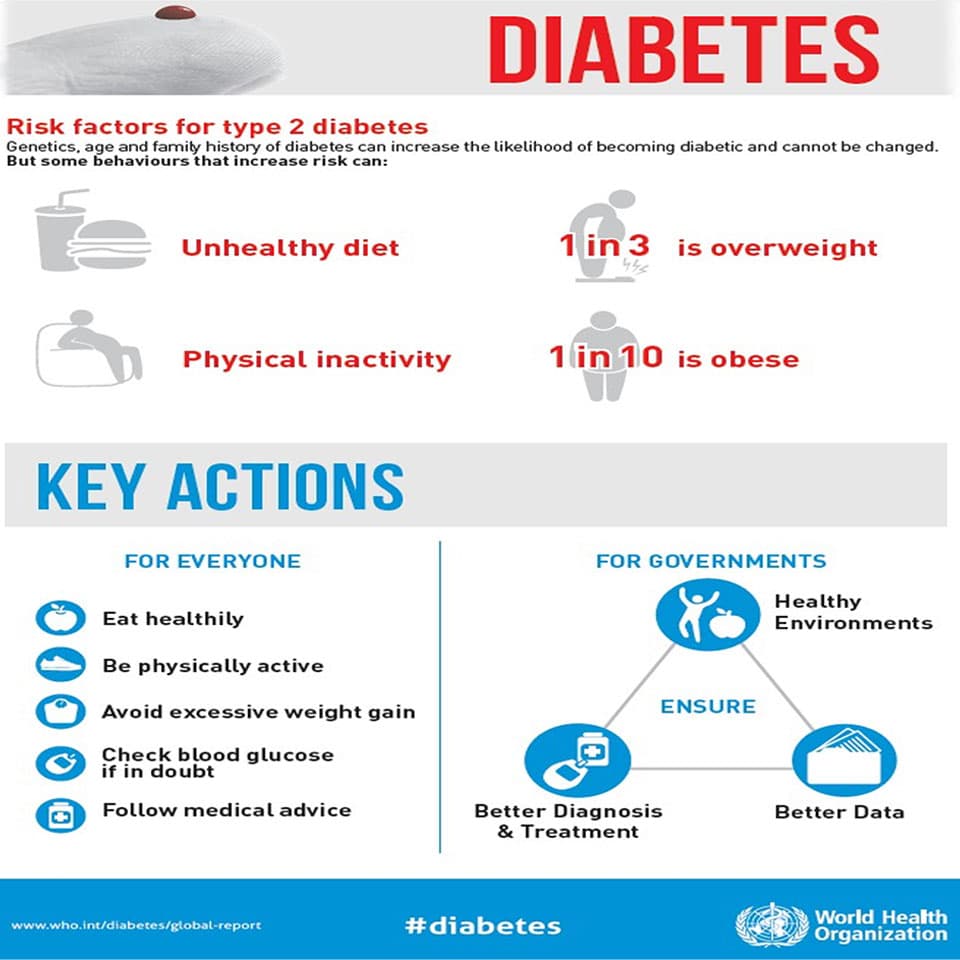
Figure 2. Risk factors and prevention strategies for type 2 diabetes
Obesity & Insulin Resistance
In obesity, cells — mainly in skeletal muscle and the liver — respond less effectively to insulin. This condition is known as insulin resistance (Figure 3) and represents one of the main mechanisms linking excess body fat with impaired glucose regulation.
Numerous studies show that obese individuals present increased availability of fatty acids to skeletal muscle tissue. Muscle cells demonstrate reduced capacity to oxidize these fatty acids and increased tendency to store them, further aggravating insulin resistance. In this way, free fatty acids act as an important link between obesity, insulin resistance, and diabetes mellitus.
At the same time, the hormonal activity of adipose tissue alters the balance of signals involved in appetite regulation, inflammation, and metabolism, further worsening metabolic dysfunction.
As a result, excess body fat is not simply an energy storage site, but an active metabolic tissue that affects multiple physiological functions.
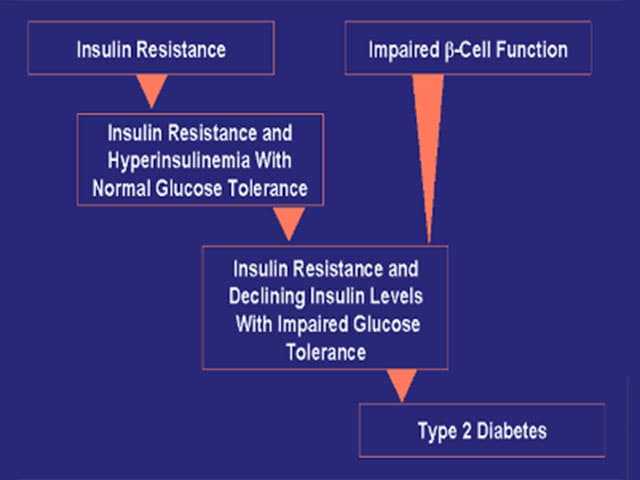
Figure 3. Mechanism of type 2 diabetes development through insulin resistance
Why Abdominal Fat Matters More
Not all body fat is distributed in the same way. Visceral fat — the fat accumulated around internal organs — demonstrates greater metabolic activity compared with subcutaneous fat located beneath the skin.
Studies suggest that waist circumference is often a stronger predictor of type 2 diabetes risk compared with Body Mass Index (BMI) (Figure 4).
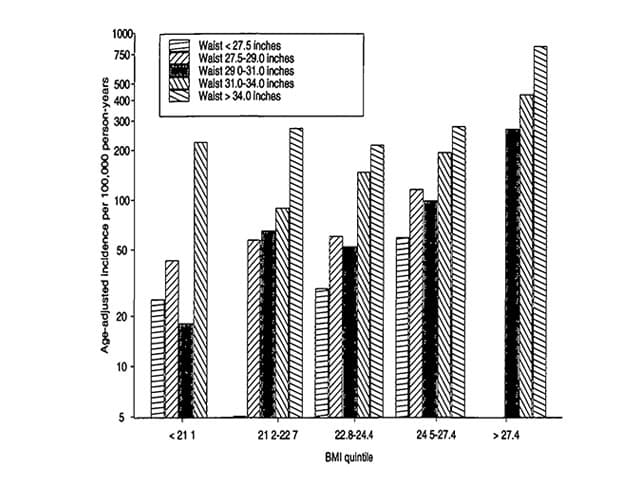
Figure 4. Association between BMI, waist circumference, and type 2 diabetes risk
In fact, increased abdominal fat is associated with insulin resistance independently of other factors, such as fasting insulin levels or family history.
In other words, fat distribution may have equal — or even greater — importance than total body weight itself.
The Dietitian’s Perspective
In clinical practice, the development of insulin resistance is not associated exclusively with total body weight, but also with fat distribution — particularly visceral fat accumulation. Even moderate weight loss may lead to meaningful improvement in glycemic control and overall metabolic health.
Can Weight Loss Change the Picture?
Weight loss is a fundamental recommendation for individuals with diabetes mellitus — and for good reason. Even moderate body weight reduction, in the range of 5–10 kg, may significantly improve insulin sensitivity and consequently contribute to lower blood glucose levels.
Importantly, extreme interventions are not required. Gradual and realistic weight loss appears to be associated with meaningful metabolic improvement and reduced risk of progression to type 2 diabetes mellitus.
Prevention, therefore, is not only about the number on the scale, but about restoring metabolic balance.
What Does This Mean in Practice?
Obesity and diabetes mellitus are linked through a complex network of metabolic mechanisms, including insulin resistance, visceral fat, free fatty acids, and hormonal signaling pathways.
Understanding this relationship allows for more targeted nutritional and behavioral interventions.
Managing body weight, therefore, is not solely about aesthetics or reducing kilograms, but represents a key strategy for metabolic prevention and health protection.
balantia perspective
Body weight management is a central pillar in both the prevention and regulation of type 2 diabetes mellitus.
Comparative data suggest that using the balantia app, combined with guidance from a Dietitian–Nutritionist, may more effectively support weight management and the long-term maintenance of healthy habits.
This difference is clinically important, since even moderate weight loss may improve insulin sensitivity and glycemic control.
Practical Takeaways
- Fat distribution has important metabolic significance
- Even small weight loss may improve insulin sensitivity
- Waist circumference is an important marker of metabolic risk
- Consistent monitoring supports body weight and glucose management
- Prevention is based on long-term and realistic lifestyle changes
Disclaimer
This article is intended for informational purposes only and does not replace personalized advice from a qualified healthcare professional.
Frequently Asked Questions
Does obesity always lead to type 2 diabetes?
No. Obesity significantly increases the risk, but diabetes development is also influenced by genetic, metabolic, and environmental factors.
Why is abdominal fat considered more dangerous for type 2 diabetes?
Visceral fat demonstrates increased metabolic activity and is more closely associated with insulin resistance.
Can small weight loss reduce diabetes risk?
Yes. Even moderate weight loss may improve glycemic control and insulin sensitivity.
What is insulin resistance?
It refers to reduced responsiveness of cells to insulin, making proper blood glucose regulation more difficult.
References
- Després JP, et al. Abdominal obesity: the cholesterol of the 21st century. Can J Cardiol. 2008;24:7D–12D.
- Jastreboff AM, et al. Obesity as a Disease: The Obesity Society 2018 Position Statement. Obesity. 2019;27(1).
- Mahan LK, Escott-Stump S, Raymond JL. Krause’s Food and the Nutrition Care Process. 13th ed. St. Louis, MO: Elsevier Saunders; 2012.
- Ross R, et al. Is weight loss the optimal target for obesity-related cardiovascular disease risk reduction? Can J Cardiol. 2008;24:25D–31D.
- Tchernof A, Després JP. Pathophysiology of Human Visceral Obesity: an update. Physiol Rev. 2013;93:359–404.