ARTICLES
Ozonated Water: Does It Really Have Therapeutic Properties?
 Christina BalamotiClinical Dietitian–Nutritionist

In recent years, claims suggesting that ozonated water may offer therapeutic benefits — even for serious health conditions — have become increasingly popular. These claims are often based on biochemical mechanisms involving reactive oxygen species (ROS), but they are frequently presented without the necessary scientific context.
In this article, we explore what ozone actually is, how it interacts with biological systems, what is currently known about ozonated water, and why therapeutic claims surrounding it require careful scientific evaluation.
What Is Ozone and Why Is It Considered Biologically “Active”?
Ozone (O₃), also known as triatomic oxygen, belongs to the group of reactive oxygen species (ROS) and acts as a powerful oxidizing agent.
Because of its strong oxidative properties, ozone reacts easily with organic compounds, leading to the formation of ozonides, which may subsequently break down into aldehydes — many of which exhibit cytotoxic effects — or ketones, alongside the production of hydrogen peroxide.
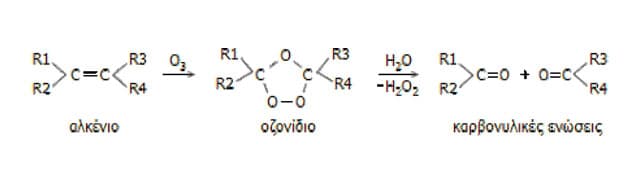
These reactions are far from biologically neutral. The molecules generated through oxidation may affect cellular structures, proteins, lipids, and even genetic material.
Ozone and the Human Body: What Do We Know?
Gaseous ozone is considered toxic to the respiratory system. Even exposure to relatively low ozone concentrations may damage the lungs and irritate the eyes.
Inhaled ozone activates macrophage activity within the lungs and may trigger inflammatory responses. It has also been associated with increased activity of antioxidant enzymes such as glutathione peroxidase (GSH-Px), superoxide dismutase (SOD) and catalase (CAT).
These responses appear to reflect the body’s attempt to counteract oxidative stress caused by ozone exposure.
Does Ozonated Water Have Therapeutic Benefits?
When ozone dissolves in water, it may contribute to the formation of highly reactive free radicals, including hydroxyl radicals, through reactions such as:
O₃ + H₂O + 2e⁻ → O₂ + 2OH⁻
Hydroxyl radicals are extremely reactive molecules capable of interacting non-selectively with intracellular structures.
This means they may oxidize lipids, proteins, carbohydrates, and even DNA, potentially leading to widespread oxidative modifications.
Experimental models have shown that ozonated solutions, under specific and controlled medical conditions, may influence inflammatory or cellular processes.
However, most of these findings come from laboratory or animal studies and cannot automatically be translated into evidence of safety or effectiveness for human oral consumption.
Based on current scientific evidence, there is no established proof that drinking ozonated water provides measurable health benefits. As a result, claims suggesting therapeutic properties remain unproven and may be misleading.
The Dietitian’s Perspective
In clinical practice, claims surrounding “therapeutic” foods or products are often built on isolated biochemical mechanisms without sufficient clinical evidence.
The existence of a biological effect does not automatically mean that a product is safe or beneficial for human consumption.
Regulatory Position & Safety Concerns
National Greek Organization for Medicines (EOF) has issued statements warning against promotional claims that attribute therapeutic or preventive properties to ozonated water.
According to the organization, such claims may legally fall under the definition of medicinal products and would therefore require official pharmaceutical authorization that has not been granted.
In simple terms, there is currently insufficient evidence demonstrating that ozonated water is beneficial as a drinking product or capable of replacing established medical treatments.
What Does This Mean in Practice?
The idea that a powerful oxidizing molecule could offer broad therapeutic benefits may sound appealing. In reality, however, human biology is far more complex.
One of the core principles of nutrition and biomedical science is that impressive claims require equally strong scientific evidence.
At present, available evidence does not support the idea that drinking ozonated water improves human health.
balantia perspective
In the fields of nutrition and health, strong marketing claims often appear long before adequate scientific evidence becomes available.
The balantia approach is based on evidence-based nutrition and clinical data — not on unproven “therapeutic” trends lacking proper scientific evaluation.
Practical Takeaways
- Therapeutic claims should always be supported by clinical evidence
- Biological activity does not automatically equal health benefit
- Products marketed for “detoxification” or broad therapeutic effects require careful evaluation
- Safety and effectiveness should be assessed through human clinical studies
- Health-related decisions should not rely solely on advertising claims
Disclaimer
This article is intended for informational purposes only and does not replace personalized advice from a qualified healthcare professional.
Frequently Asked Questions
Does ozonated water have proven therapeutic benefits?
Currently, there is insufficient scientific evidence supporting therapeutic effects from drinking ozonated water.
Is ozone safe for the human body?
Ozone is a strong oxidizing molecule, and inhalation exposure may be toxic to the respiratory system.
What are reactive oxygen species (ROS)?
ROS are highly reactive molecules capable of affecting proteins, lipids, and genetic material through oxidative reactions.
Why has the EOF warned about therapeutic claims related to ozonated water?
Because there is insufficient evidence demonstrating that ozonated water possesses approved therapeutic or preventive properties.
References
- Kazuo A, et al. Anti-inflammatory effects of ozonated water in an experimental mouse model. Biomed Rep. 2014;2:671–674.
- Koheik K, et al. The safety and anti-tumor effects of ozonated water in vivo. Int J Mol Sci. 2015;16:25108–25120.
- Ελληνικός Οργανισμός Φαρμάκων (ΕΟΦ). Ανακοίνωση σχετικά με ισχυρισμούς θεραπευτικών ιδιοτήτων οζονισμένου νερού.