ARTICLES
Obesity & Heart Health
 Christina BalamotiClinical Dietitian–Nutritionist

Obesity is not simply about body weight. It is a chronic metabolic condition that affects multiple systems throughout the body — including the cardiovascular system.
Excess body fat is associated with metabolic and hormonal changes that gradually place additional strain on the heart and blood vessels.
Modern epidemiological evidence recognizes obesity as one of the most important modifiable cardiovascular risk factors. As body weight increases, so does the likelihood of developing cardiovascular complications.
In this article, we explore how excess body weight affects the cardiovascular system, why fat distribution matters, and how weight loss may help reduce cardiovascular risk.
Body Weight & Heart Health
Based on epidemiological, metabolic, and clinical studies, several factors have been identified as contributors to cardiovascular disease development. These factors are generally divided into non-modifiable factors, such as age, sex, and genetics and modifiable factors, including obesity, sedentary lifestyle, smoking, hypertension, and high cholesterol
Among these, obesity plays a central role. Research consistently shows that as Body Mass Index (BMI) increases, the relative risk of cardiovascular disease also rises.
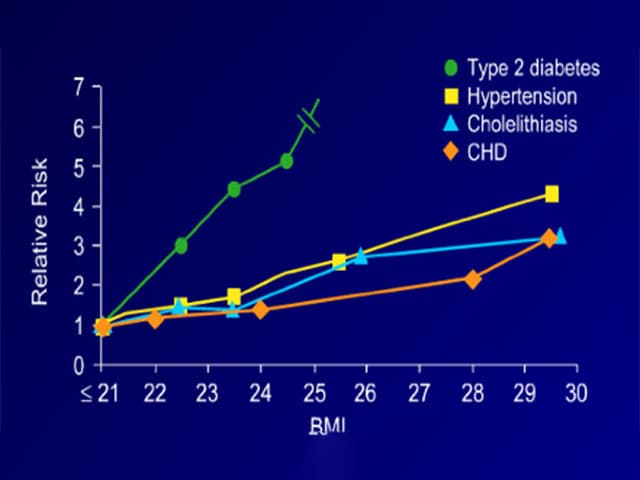
Figure 1. Relationship between Body Mass Index and risk of obesity-related complications.
In addition, studies in individuals with cardiovascular disease suggest that obesity also affects autonomic nervous system function, altering heart rhythm and overall cardiovascular adaptation.
This appears to be linked to hormonally active substances released by adipose tissue, including leptin, adiponectin, and resistin, which influence both sympathetic and parasympathetic nervous system activity.
At the same time, obesity is associated not only with functional changes, but also with structural adaptations of the heart that contribute to cardiovascular disease development.
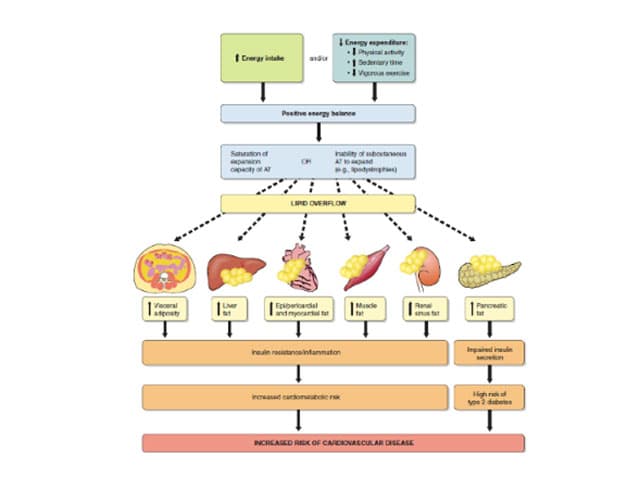
Figure 2. Mechanisms through which obesity affects the cardiovascular system.
The encouraging part is that weight loss is strongly associated with meaningful reductions in cardiovascular risk. Even moderate weight reduction may improve metabolic function, vascular health, and overall cardiovascular adaptation — which helps explain why weight management remains a central strategy in both prevention and treatment.
How Excess Body Fat Affects the Cardiovascular System
Adipose tissue is not simply an energy storage site. It functions as an active endocrine organ that releases biologically active substances capable of influencing inflammation, vascular tone, and blood pressure regulation.
Increased fat mass is associated with chronic low-grade inflammation and metabolic disturbances that place additional stress on the cardiovascular system.
Over time, these changes may affect both the structure and function of the heart, increasing overall cardiometabolic risk.
Why Fat Distribution Matters
Central obesity — characterized by fat accumulation around the abdominal area — appears to have a stronger association with cardiovascular disease risk.
Abdominal or visceral fat has been linked to increased risk of cardiovascular events, and cardiometabolic risk appears to rise progressively with increasing waist circumference.
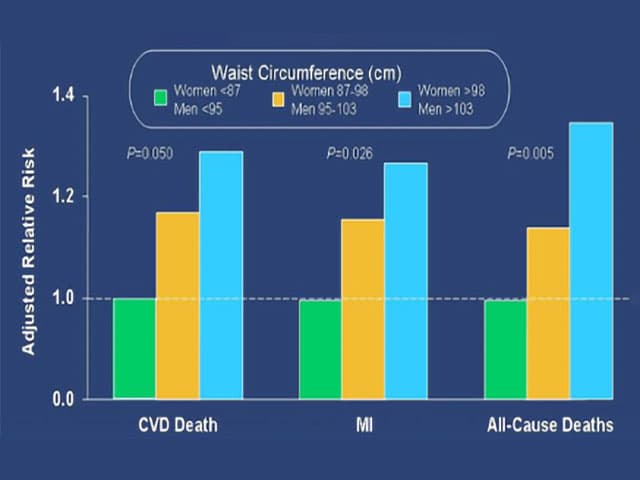
Figure 3. Relationship between abdominal fat, waist circumference, and cardiovascular risk.
In simple terms, where fat is stored in the body plays a major role in cardiovascular health.
The Dietitian’s Perspective
In clinical practice, cardiovascular risk is influenced not only by total body weight, but also by fat distribution and overall metabolic function.
Accumulation of abdominal or visceral fat appears to be more strongly associated with metabolic and cardiovascular complications.
How Obesity Affects the Heart
Obesity increases the hemodynamic workload placed on the heart, leading to both functional and structural adaptations.
At the same time, it affects autonomic nervous system activity, altering heart rhythm and vascular responsiveness.
These changes, combined with inflammation and metabolic stress, contribute to increased overall cardiovascular risk.
Can Weight Loss Reduce Cardiovascular Risk?
Reducing body weight has been associated with improvements in vascular function, lower inflammation, and better cardiovascular adaptation.
Even moderate weight loss may provide significant benefits, reinforcing the importance of weight management as a key strategy for long-term cardiovascular health.
balantia perspective
Cardiovascular health is directly influenced by everyday dietary habits.
Consistent monitoring of body weight and nutrition can help improve long-term adherence — an essential factor in reducing cardiovascular risk over time.
Evidence suggests that using the balantia app alongside guidance from a Dietitian–Nutritionist may support both weight management and the maintenance of healthier long-term habits.
Practical Takeaways
- Waist circumference is an important marker of cardiometabolic risk
- Consistent weight monitoring may help prevent cardiovascular complications
- Even moderate weight loss may improve cardiovascular function
- Sedentary lifestyle increases metabolic risk
- Maintaining healthy daily habits has long-term protective benefits for heart health
Disclaimer
This article is intended for informational purposes only and does not replace personalized advice from a qualified healthcare professional.
Frequently Asked Questions
Does obesity always increase cardiovascular risk?
Obesity is considered a major cardiovascular risk factor, particularly when accompanied by excess abdominal fat and metabolic disturbances.
Why is abdominal fat considered more dangerous?
Visceral fat is metabolically more active and is more strongly associated with inflammation and cardiometabolic risk.
Can small amounts of weight loss benefit the heart?
Yes. Even moderate weight loss may improve both metabolic and cardiovascular function.
How does obesity affect the heart?
Obesity affects both the structure and function of the heart by increasing hemodynamic and metabolic stress.
References
- Després JP, et al. Abdominal obesity: the cholesterol of the 21st century. Can J Cardiol. 2008;24:7D–12D.
- Jastreboff AM, et al. Obesity as a Disease: The Obesity Society 2018 Position Statement. Obesity. 2019;27(1).
- Mahan LK, Escott-Stump S, Raymond JL. Krause’s Food and the Nutrition Care Process. 13th ed. St. Louis, MO: Elsevier Saunders; 2012.
- Poirier P. Targeting abdominal obesity in cardiology: can we be effective? Can J Cardiol. 2008;24:13D–17D.
- Rexrode KM, et al. Abdominal adiposity and coronary heart disease in women. JAMA. 1998;280(21):1843–1848.
- Tchernof A, Després JP. Pathophysiology of Human Visceral Obesity: an update. Physiol Rev. 2013;93:359–404.