ARTICLES
Pancreatitis & Nutrition: What Should I Eat and When Does Refeeding Begin?
 Christina BalamotiClinical Dietitian–Nutritionist
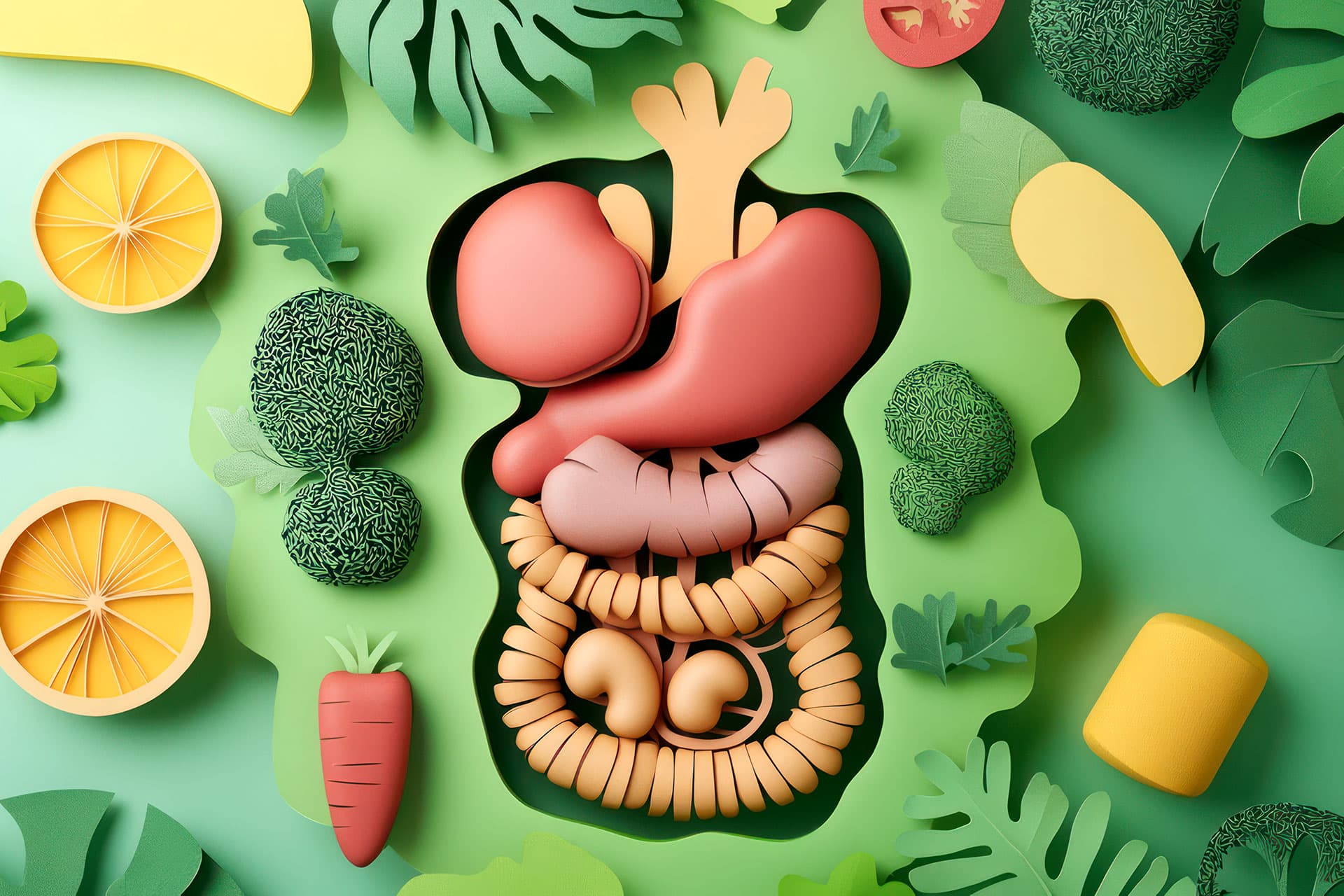
Acute pancreatitis is an inflammatory condition that temporarily disrupts the normal function of the pancreas and affects the body’s overall metabolic balance.
For this reason, nutritional management is not simply supportive — it is a fundamental part of recovery.
The appropriate timing of refeeding, the selection of the right dietary approach, and the avoidance of unnecessary prolonged fasting can significantly affect disease progression and complication prevention.
In this article, we discuss what happens nutritionally during the first days of hospitalization, when refeeding is considered safe, which dietary approach is followed after feeding resumes, and what applies long term in the nutritional management of pancreatitis.
Initial Nutritional Management
During the initial management of an episode of pancreatitis, the goal is pancreatic rest and stabilization of homeostasis (Table 1).
For this reason, temporary fasting (Nothing Per Os) is applied in order to minimize stimulation of exocrine pancreatic function.
At the same time, aggressive intravenous hydration with isotonic solutions is administered, particularly during the first 12–48 hours, to correct fluid and electrolyte disturbances and maintain intravascular volume.
Frequent reassessment of the patient’s clinical condition is especially important, as nutritional and metabolic needs change dynamically during the acute phase of the disease.
However, prolonged complete fasting is no longer always considered the ideal approach. Complete food abstinence may lead to intestinal mucosal atrophy and increased risk of infectious complications.
For this reason, refeeding begins as soon as the patient’s overall clinical condition allows it.
The Dietitian’s Perspective
In clinical practice, prolonged complete fasting is no longer always considered the optimal strategy in acute pancreatitis. Early and carefully adjusted refeeding appears to contribute to preservation of intestinal function and reduction of complications.
Table 1. Guidelines for Initial Hydration & Support in Acute Pancreatitis
Aggressive hydration, defined as 250–500 ml per hour of isotonic crystalloid solution should be provided to all patients, unless cardiovascular, renal, or other related comorbid factors exist. Early aggressive intravenous hydration is most beneficial during the first 12–24 h, and may have little benefit beyond this time period |
In a patient with severe volume depletion, manifest as hypotension and tachycardia, more rapid repletion (bolus) may be needed |
Lactated Ringer’s solution may be the preferred isotonic crystalloid replacement fluid |
Fluid requirements should be reassessed at frequent intervals within 6 h of admission and for the next 24–48 h. The goal of aggressive hydration should be to decrease the BUN |
Source: Tenner et al. American College of Gastroenterology Guideline: Management of Acute Pancreatitis. Am J Gastroenterol 2013; 108(9):1-14 |
When Can Refeeding Begin?
The initiation of feeding is determined mainly by improvement in pain and associated symptoms such as nausea, vomiting, and ileus.
Once these symptoms improve, feeding may begin immediately, as clinical and experimental studies suggest that prolonged bowel rest may lead to intestinal mucosal atrophy and increased risk of infection due to disruption of the intestinal barrier.
The decision to restart oral feeding is based primarily on the patient’s overall clinical improvement and tolerance.
If oral feeding is not feasible within 5–7 days of hospitalization, enteral nutrition is considered, along with supplemental parenteral support where required.
Enteral feeding is preferred whenever feasible, as it appears to be associated with lower risk of infectious complications and better preservation of intestinal function.
Table 2. Recommendations for Refeeding & Enteral Nutrition in Acute Pancreatitis
In mild AP, oral feedings can be started immediately if there is no nausea and vomiting, and the abdominal pain has resolved |
In mild AP, initiation of feeding with a low-fat solid diet appears as safe as a clear liquid diet |
In severe AP, enteral nutrition is recommended to prevent infectious complications. Parenteral nutrition should be avoided, unless the enteral route is not available, not tolerated, or not meeting caloric requirements |
Nasogastric delivery and nasojejunal delivery of enteral feeding appear comparable in efficacy and safety |
Source: Tenner et al. American College of Gastroenterology Guideline: Management of Acute Pancreatitis. Am J Gastroenterol 2013; 108(9):1-14 |
What Diet Is Followed After Refeeding?
For appropriate nutritional support in patients with pancreatitis, selecting the correct oral dietary approach is extremely important, since it must both minimize stimulation of the exocrine pancreas and address the protein-energy malnutrition frequently observed in these patients.
Oral feeding is resumed gradually, according to the patient’s tolerance and clinical condition.
Current guidelines suggest that in mild cases, initiating a low-fat solid diet may be just as safe as gradual progression from clear liquids.
Patients receiving pancreatic enzymes may tolerate dietary fat intake up to approximately 30% of total daily energy intake. In general, dietary fat should be adjusted to the maximum amount tolerated by the patient.
In cases where the diet is extremely low in fat, supplementation with medium-chain triglycerides (MCTs) may improve fat absorption and support energy balance.
Regarding the remaining macronutrients, protein intake should increase to approximately 1–1.5 g/kg body weight, compared with recommendations for the general population, due to the increased protein catabolism associated with pancreatitis.
The remainder of energy intake should be covered by carbohydrates. Since dietary fat intake is usually low, carbohydrate intake often needs to increase in order to maintain stable — or when necessary positive — energy balance. Particular attention should be paid to both the quality and distribution of carbohydrates throughout the day, especially in patients with impaired glycemic control or diabetes mellitus.
With regard to fiber, foods rich in fiber are initially restricted (low-residue diet), followed by gradual reintroduction depending on patient tolerance.
In addition, 5–6 small frequent meals per day are usually recommended in order to improve nutrient distribution and meal tolerance.
In patients with severe steatorrhea, malabsorption of fat-soluble vitamins (A, D, E, and K) may occur, making supplementation potentially necessary.
Replacement of antioxidant nutrients such as vitamin C and selenium may also be required, particularly in patients with increased oxidative stress.
Finally, in pancreatic protease insufficiency, injectable vitamin B12 supplementation may be necessary.
Adequate fluid intake is also recommended to prevent dehydration, together with complete avoidance of alcohol and smoking, as both are major contributors to disease worsening and recurrence.
Long-Term Nutritional Management
The development of pancreatitis is associated with dietary habits, making nutritional intervention an important part of long-term management.
The patient’s dietary pattern may be modified according to individual tolerance. In all cases, dietary restrictions depend on the cause, severity, and chronicity of the disease.
Complete avoidance of alcohol, avoidance of large high-fat meals, and smoking cessation are the main restrictions recommended and constitute key strategies for preventing recurrence.
What Does This Mean in Practice?
Nutritional management in pancreatitis is not based on rigid restrictions, but on dynamic adjustment. Proper timing of refeeding, careful nutrient selection, and monitoring of tolerance contribute significantly to recovery and reduction of complications.
Nutrition is not simply an accompanying measure, but an active part of the therapeutic approach itself.
balantia perspective
Nutritional management after pancreatitis requires consistency, appropriate meal distribution, and adjustment of fat intake according to patient tolerance.
The balantia app may support structured nutrition tracking and improved monitoring of daily dietary habits as part of long-term nutritional management.
Frequently Asked Questions
When can I eat again after acute pancreatitis?
Refeeding begins once pain, nausea, and the patient’s overall clinical condition improve.
Which foods are preferred after refeeding begins in pancreatitis?
A low-fat diet is usually preferred initially, with gradual adjustment according to tolerance.
Why are small frequent meals recommended after pancreatitis?
Small frequent meals help improve tolerance and reduce pancreatic stress.
Is alcohol allowed after pancreatitis?
Complete alcohol avoidance is recommended, as alcohol is a major factor associated with recurrence and worsening of the disease.
Practical Takeaways
- Refeeding begins only after clinical improvement
- Small frequent meals are generally better tolerated
- Excessive fat intake may worsen symptoms
- Avoidance of alcohol and smoking is a fundamental part of management
- Nutritional strategies should always be individualized according to disease severity and patient tolerance
Disclaimer
This article is intended for informational purposes only and does not replace personalized advice from a qualified healthcare professional.
References
- Arvanitakis M, et al. ESPEN practical guideline on clinical nutrition in acute and chronic pancreatitis. Clin Nutr. 2024;43(2):395–412.
- Chen QP. Enteral nutrition and acute pancreatitis. World J Gastroenterol. 2001;7(2):185–192.
- Mahan LK, Escott-Stump S, Raymond JL. Krause’s Food and the Nutrition Care Process. 13th ed. St. Louis, MO: Elsevier Saunders; 2012.
- Tenner S, et al. American College of Gastroenterology Guideline: Management of Acute Pancreatitis. Am J Gastroenterol. 2013;108(9):1400–1415.