
Inflammatory bowel diseases (IBD), including Crohn’s disease and ulcerative colitis, are chronic conditions that can significantly affect daily life and quality of life. In recent years, growing attention has been given to the role of the gut microbiome and whether probiotics may offer supportive benefits in disease management.
But do probiotics help?
In this article, we look at what current scientific evidence suggests and what this means in practice for individuals living with IBD.
Where Does Crohn’s Disease Commonly Occur?
Crohn’s disease can affect any part of the gastrointestinal tract — from the mouth to the anus. However, it most commonly affects the final part of the small intestine (the ileum) and the beginning of the large intestine.
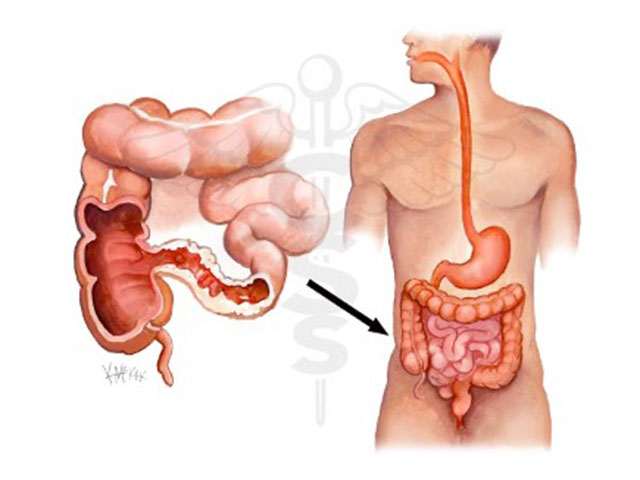
Figure 1. Most common locations of Crohn’s disease in the digestive tract.
Although Crohn’s disease can develop at any age, it is most frequently diagnosed in young adults. Epidemiological studies consistently show the highest incidence between the second and fourth decades of life, particularly between the ages of 20 and 29. A smaller second peak may also appear later in life.
This age distribution highlights how Crohn’s disease often develops during highly active years of work, social life, and personal development, which can have a considerable impact on quality of life.
Crohn’s Disease vs Ulcerative Colitis: The Key Difference
Although both conditions belong to the group of inflammatory bowel diseases, they differ significantly in the way they affect the intestine.
Crohn’s disease is characterized by patchy, deep inflammation that can occur anywhere along the digestive tract, most commonly in the ileum and colon.
Ulcerative colitis, on the other hand, affects only the large intestine and involves inflammation limited to the intestinal lining. The inflammation is continuous and typically begins in the rectum before extending upward.
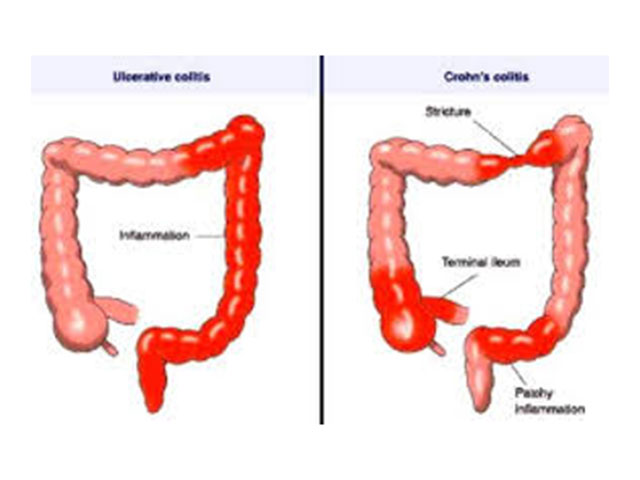
Figure 2.Distribution differences between Crohn’s disease and ulcerative colitis.
These differences help explain why symptoms, complications, and treatment approaches can vary between the two conditions.
Probiotics and IBD: What Do Current Data Suggest?
Inflammatory bowel diseases are associated with alterations in the gut microbiota. In theory, probiotics may influence the intestinal immune environment by supporting immune regulation and contributing to a healthier microbial balance.
Despite this biological rationale, scientific evidence regarding probiotic use during active disease remains limited. The interactions between the gut microbiome and the immune system are highly complex and continue to be extensively studied.
At present, there is still insufficient evidence to support probiotics as a primary treatment strategy or to consistently demonstrate reduced relapse rates after remission has been achieved.
As a result, when probiotics are used in IBD, they are generally considered supportive rather than a replacement for medical therapy.

Figure 3.Proposed mechanisms of probiotic action within the gut microbiome.
In other words, probiotics may play a complementary role — but they should not replace standard medical treatment.
What Does This Mean in Practice?
Crohn’s disease and ulcerative colitis are complex conditions that require individualized medical care and follow-up.
Understanding disease location, age distribution, and the realistic role of supportive interventions can help patients make more informed decisions about their care.
While research on the gut microbiome continues to evolve, one principle remains clear: supplements may provide supportive benefits, but they are not a substitute for evidence-based medical treatment.
balantia perspective
In inflammatory bowel diseases, consistent dietary monitoring may help improve awareness of individual eating habits and identify possible nutritional factors that influence overall disease management.
The balantia app supports this process through structured nutrition tracking, helping users build a clearer picture of their dietary patterns over time.
Practical Takeaways
- Probiotics should not replace prescribed medical treatment
- Their role appears to be mainly supportive rather than therapeutic
- Not all patients respond in the same way
- Choosing an appropriate probiotic supplement should involve professional guidance
- Extra caution may be needed during active flare-ups