
Elevated blood glucose levels do not usually appear overnight. In most cases, they develop gradually over time, with glucose values remaining above normal long before a diagnosis of type 2 diabetes is officially made.
In this article, we explore what prediabetes really means, which factors increase the risk of developing type 2 diabetes, and which lifestyle changes have been shown to make a meaningful difference in prevention.
When Blood Glucose Is “Neither Normal nor Diabetes”
Blood glucose exists on a continuous spectrum. The thresholds used to define normal glucose regulation and diabetes are based on epidemiological data and the long-term risk of complications.
Between normal glucose regulation and type 2 diabetes, there are intermediate states such as impaired fasting glucose (IFG) and impaired glucose tolerance (IGT).
Although these conditions are not classified as diabetes, they are associated with an increased risk of progression to type 2 diabetes and potentially cardiovascular complications as well.
In practice, this means that someone may already be at increased metabolic risk years before diabetes is formally diagnosed.
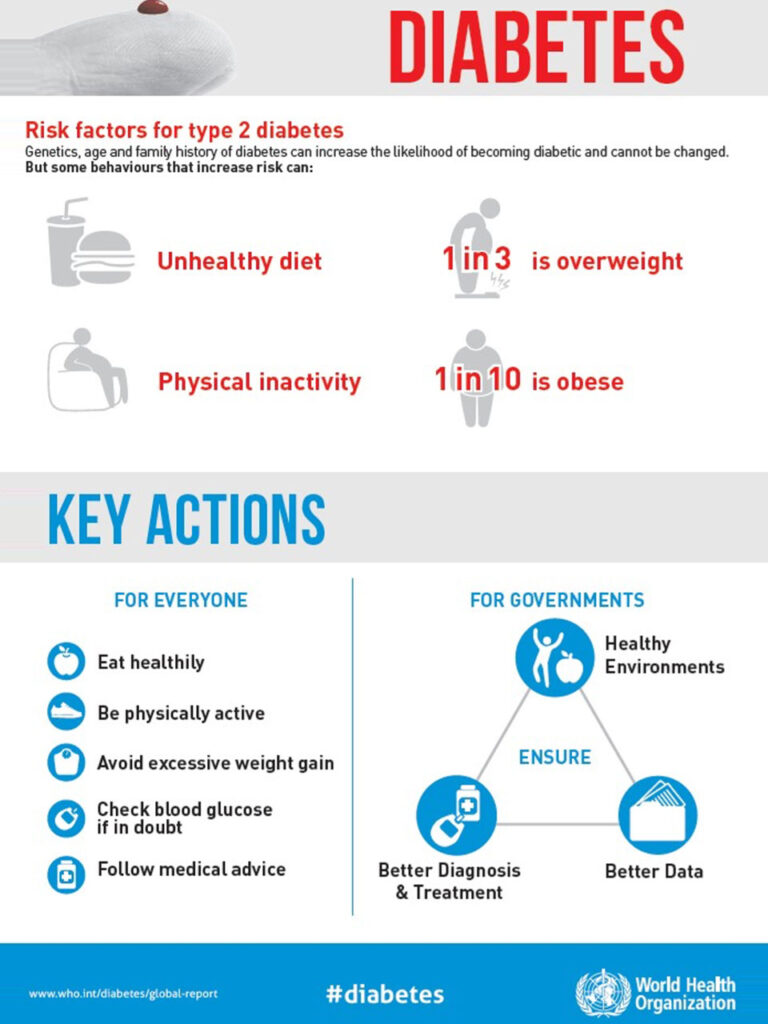
Figure 1. Risk factors and prevention strategies for type 2 diabetes.
Why Risk Is Not the Same for Everyone
The development of type 2 diabetes is influenced by a combination of factors, some of which cannot be modified — including family history, age, and ethnicity.
Obesity, poor dietary quality, sedentary behavior, smoking, chronic stress, and sleep disturbances have all been associated with a higher risk of developing type 2 diabetes.
When these factors coexist, the overall metabolic risk does not simply add up — it often multiplies.
What Has Been Proven to Reduce Risk?
One of the most consistently supported strategies for preventing type 2 diabetes is weight reduction — even when the weight loss is relatively modest.
Losing approximately 5–7% of initial body weight has been associated with a substantial reduction in diabetes risk.
Diet quality also plays a major role — not through extreme restrictions, but through improvements in blood glucose stability, appetite regulation, and insulin sensitivity.
Physical activity works alongside nutrition by improving glucose uptake by muscles and supporting overall metabolic flexibility. Even moderate-intensity activity performed consistently may provide meaningful metabolic benefits.
Factors That Are Often Overlooked
Beyond diet and exercise, other aspects of lifestyle also influence glucose regulation through less obvious mechanisms.
Chronic stress has been associated with elevated cortisol levels and impaired insulin sensitivity, while both insufficient and excessive sleep have been linked to increased diabetes risk.
Smoking also acts as an independent risk factor, negatively affecting both metabolic and cardiovascular health.
What Does This Mean in Practice?
Preventing type 2 diabetes is rarely about one single change. Instead, it involves a combination of interventions that work together and are adapted to the individual.
Perfect eating habits or extreme exercise routines are not required. What appears to matter most is early intervention — especially during stages of elevated fasting glucose or prediabetes, when progression toward diabetes may still be largely reversible.
balantia perspective
Type 2 diabetes does not develop suddenly. It evolves gradually through repeated habits and lifestyle patterns over time.
Understanding risk factors and intervening early may significantly influence long-term metabolic health outcomes.
Systematic monitoring of nutrition, body weight, and daily activity through the balantia app may help users better track factors associated with metabolic health and type 2 diabetes prevention.
Practical Takeaways
- Even modest weight loss may substantially reduce diabetes risk
- Regular physical activity improves insulin sensitivity
- Diet quality matters more than extreme dietary restriction
- Adequate sleep and stress management are important for metabolic health
- Early glucose monitoring supports prevention and timely intervention